College of Music and Arts Montepulciano
The Montepulciano College of Music and the Arts is a collaborative initiative involving the seven art and music colleges in the state of North Rhine-Westphalia. It enables students and staff from the participating institutions to engage in interdisciplinary artistic work and research in Montepulciano, with a view to exploring new approaches to the arts.
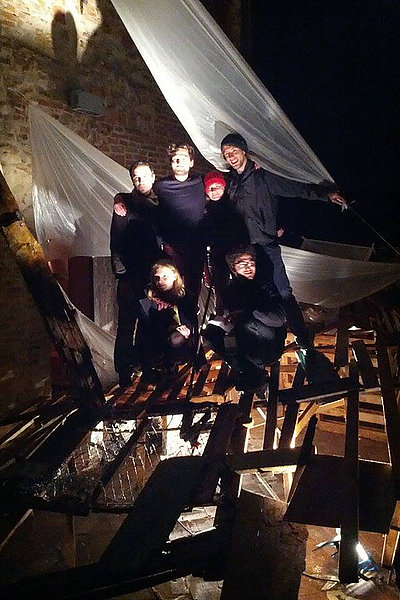

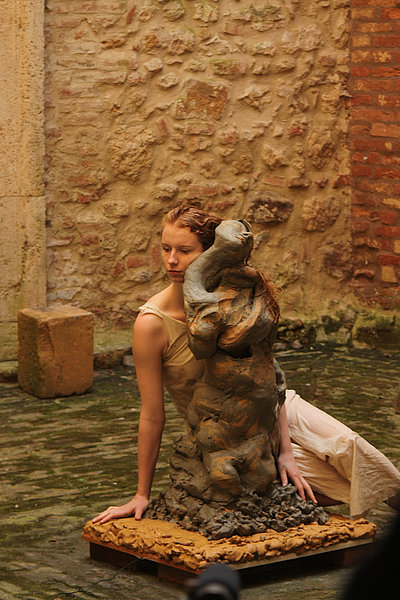
SummerLab and the Laboratory of the Arts
Among the distinctive working formats are the SummerLab and the Laboratory of the Arts, each with a different focus on interdisciplinary collaboration and subject-specific specialisation. In addition, the college enables students on artistic degree programmes to take part in an annual chamber music project.
Furthermore, students from all disciplines can apply for working residencies at Palazzo Ricci as part of the short-term ‘Students in Residence’ programme.
As part of study projects, the universities involved in the programme also use Palazzo Ricci for their own projects. This allows university classes and ensembles to work intensively here with their lecturers in a unique atmosphere. Concerts or small exhibitions on site are also possible.